Future Gate
Explore how Future Gate redefines the digital experience by merging advanced AI systems with interactive gaming psychology. Discover the top immersive UI/UX and dark-mode aesthetic trends of 2026 that power this platform, helping you build high-engagement, future-proof products .
AI & Data

1.The Power of Focus-Driven Design
Aura OS isn't just about looks; it's about eliminating distractions. By utilizing a dark, minimalist palette, we create a 'focus-first' environment where the user’s attention is directed entirely toward task execution and AI interactions .

2. Color as a Data Language
Colors are not just decorative; they are part of the data syntax. I use high-contrast palettes to enforce visual hierarchy, ensuring that the most significant trends in the box plots and pie charts are the first things the eye detects, improving both usability and accessibility .

AI-Driven Dashboards & Strategic Data Visualization
The fusion of Artificial Intelligence and data visualization is redefining how we interact with information. In 2026, I leverage AI not just to automate data processing, but to craft intelligent, adaptive dashboards . By prioritizing human -centered logic , I ensure these systems don't just display raw numbers, but provide actionable insights that intuitively guide decision-making, ensuring complex technology feels simple and accessible .
4. Code-Driven Design & Logical Interface Architectures
True digital efficiency starts with a clean codebase. From Python-based data analysis to robust system architectures, I treat code as the core foundation of every design. By integrating programmatic logic with visual hierarchy, I build interfaces where the structural backbone clean, efficient, and scalable code directly dictates a seamless, high-performance user experience, bridging the gap between technical functionality and aesthetic clarity .


5. Structural Redesign: Visible Grids and Composition
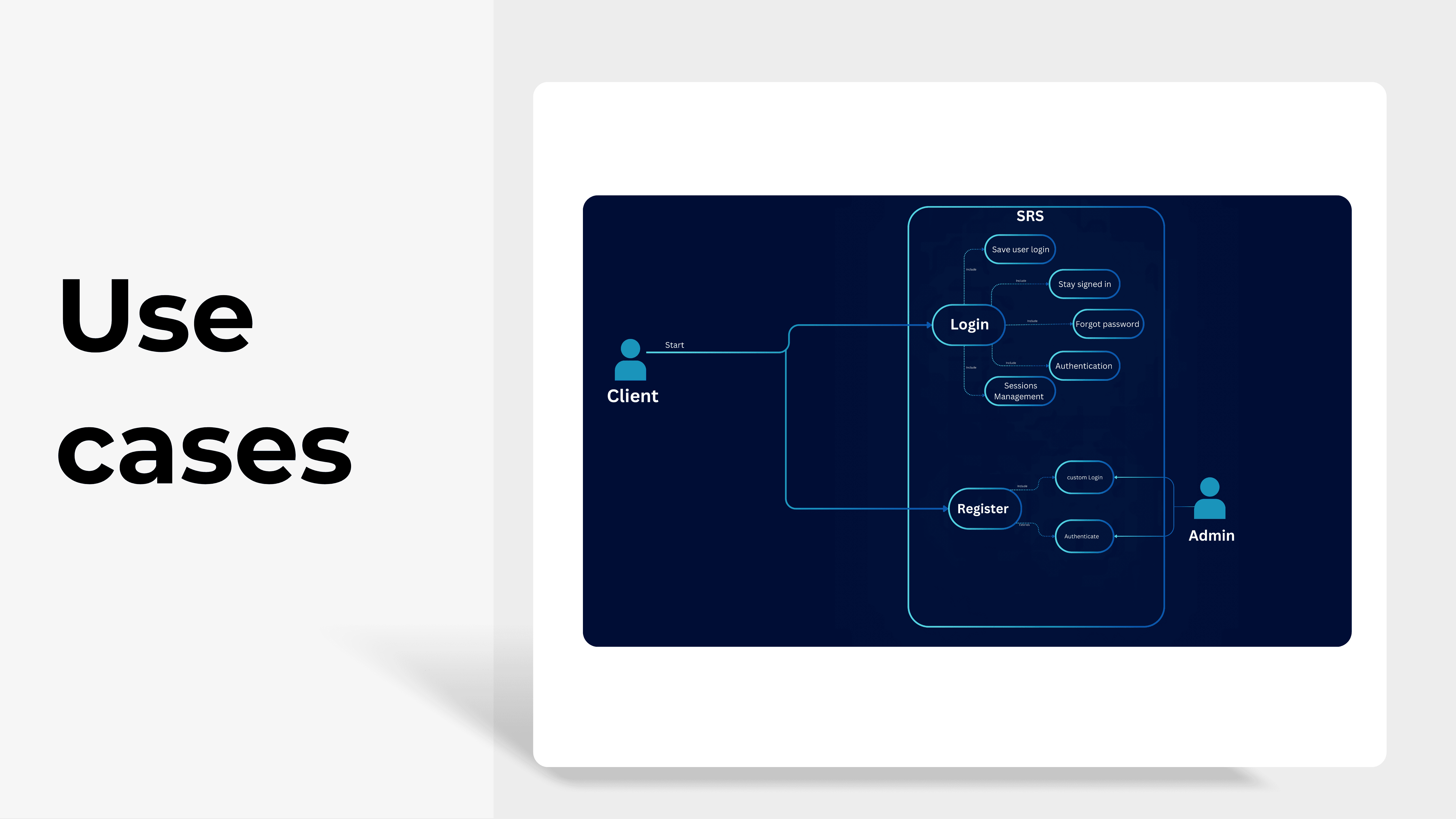
In my projects from the Future Gate interface to complex Performance Dashboards I prioritize structural clarity as the foundation of user engagement. By employing visible grid systems and distinct, modular sections, I eliminate visual ambiguity . This composition-driven approach transforms dense datasets and intricate AI workflows into an immersive narrative , encouraging users to explore the interface with purpose and linger on the critical insights .

More to Discover
Future Gate
Explore how Future Gate redefines the digital experience by merging advanced AI systems with interactive gaming psychology. Discover the top immersive UI/UX and dark-mode aesthetic trends of 2026 that power this platform, helping you build high-engagement, future-proof products .
AI & Data
1.The Power of Focus-Driven Design
Aura OS isn't just about looks; it's about eliminating distractions. By utilizing a dark, minimalist palette, we create a 'focus-first' environment where the user’s attention is directed entirely toward task execution and AI interactions .
2. Color as a Data Language
Colors are not just decorative; they are part of the data syntax. I use high-contrast palettes to enforce visual hierarchy, ensuring that the most significant trends in the box plots and pie charts are the first things the eye detects, improving both usability and accessibility .
AI-Driven Dashboards & Strategic Data Visualization
The fusion of Artificial Intelligence and data visualization is redefining how we interact with information. In 2026, I leverage AI not just to automate data processing, but to craft intelligent, adaptive dashboards . By prioritizing human -centered logic , I ensure these systems don't just display raw numbers, but provide actionable insights that intuitively guide decision-making, ensuring complex technology feels simple and accessible .
4. Code-Driven Design & Logical Interface Architectures
True digital efficiency starts with a clean codebase. From Python-based data analysis to robust system architectures, I treat code as the core foundation of every design. By integrating programmatic logic with visual hierarchy, I build interfaces where the structural backbone clean, efficient, and scalable code directly dictates a seamless, high-performance user experience, bridging the gap between technical functionality and aesthetic clarity .
5. Structural Redesign: Visible Grids and Composition
In my projects from the Future Gate interface to complex Performance Dashboards I prioritize structural clarity as the foundation of user engagement. By employing visible grid systems and distinct, modular sections, I eliminate visual ambiguity . This composition-driven approach transforms dense datasets and intricate AI workflows into an immersive narrative , encouraging users to explore the interface with purpose and linger on the critical insights .
More to Discover
Future Gate
Explore how Future Gate redefines the digital experience by merging advanced AI systems with interactive gaming psychology. Discover the top immersive UI/UX and dark-mode aesthetic trends of 2026 that power this platform, helping you build high-engagement, future-proof products .
AI & Data
1.The Power of Focus-Driven Design
Aura OS isn't just about looks; it's about eliminating distractions. By utilizing a dark, minimalist palette, we create a 'focus-first' environment where the user’s attention is directed entirely toward task execution and AI interactions .
2. Color as a Data Language
Colors are not just decorative; they are part of the data syntax. I use high-contrast palettes to enforce visual hierarchy, ensuring that the most significant trends in the box plots and pie charts are the first things the eye detects, improving both usability and accessibility .
AI-Driven Dashboards & Strategic Data Visualization
The fusion of Artificial Intelligence and data visualization is redefining how we interact with information. In 2026, I leverage AI not just to automate data processing, but to craft intelligent, adaptive dashboards . By prioritizing human -centered logic , I ensure these systems don't just display raw numbers, but provide actionable insights that intuitively guide decision-making, ensuring complex technology feels simple and accessible .
4. Code-Driven Design & Logical Interface Architectures
True digital efficiency starts with a clean codebase. From Python-based data analysis to robust system architectures, I treat code as the core foundation of every design. By integrating programmatic logic with visual hierarchy, I build interfaces where the structural backbone clean, efficient, and scalable code directly dictates a seamless, high-performance user experience, bridging the gap between technical functionality and aesthetic clarity .
5. Structural Redesign: Visible Grids and Composition
In my projects from the Future Gate interface to complex Performance Dashboards I prioritize structural clarity as the foundation of user engagement. By employing visible grid systems and distinct, modular sections, I eliminate visual ambiguity . This composition-driven approach transforms dense datasets and intricate AI workflows into an immersive narrative , encouraging users to explore the interface with purpose and linger on the critical insights .